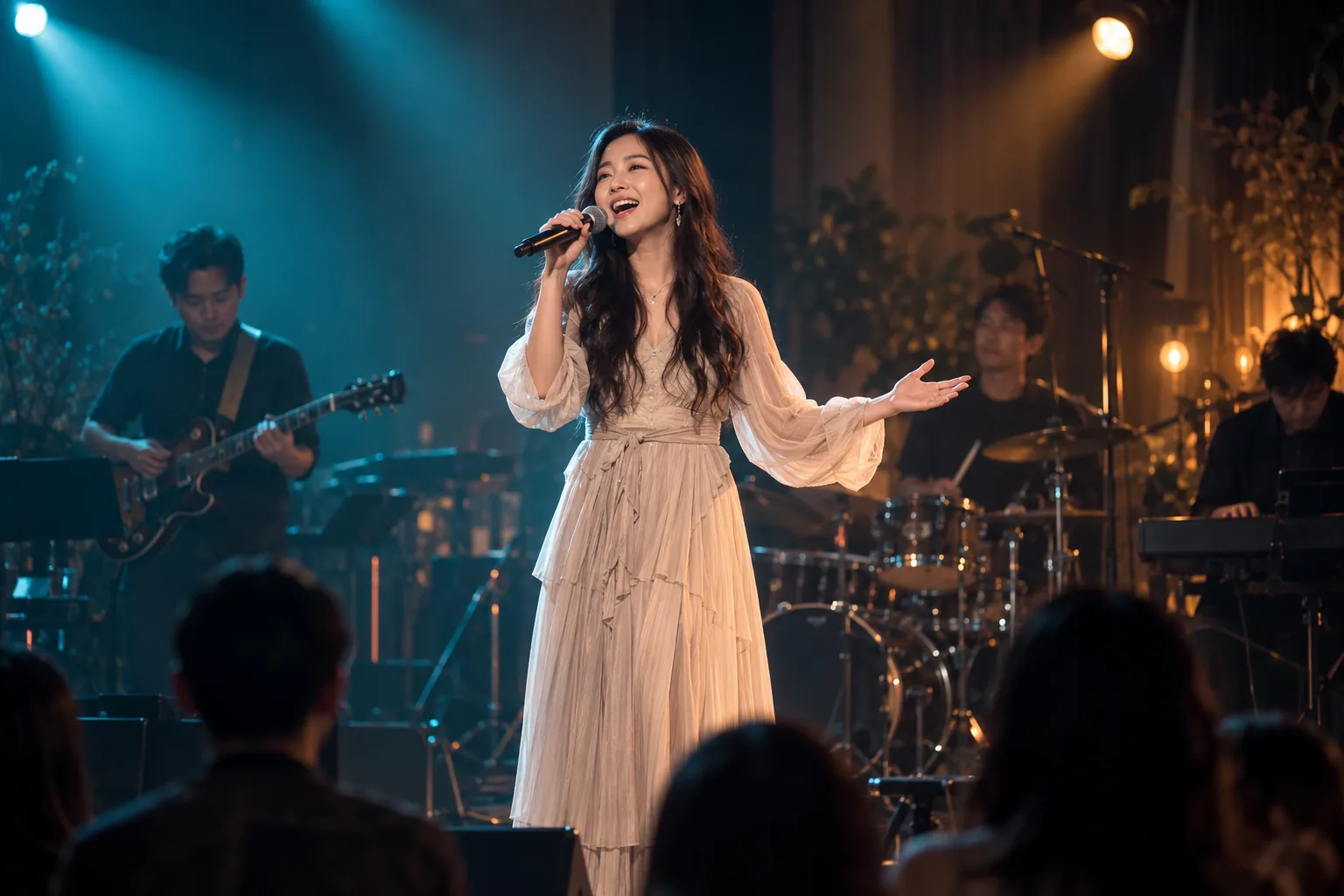
Good concert photography starts with a short list of outputs: performance images, audience atmosphere, publicity selects and sponsor evidence. Each output depends on what access the venue, the artist's team and the promoter allow. We plan coverage around that access, confirm it in writing and say clearly what a restricted position can and cannot produce.
A concert is one of the hardest events to record well. The light changes every few seconds, the best positions are limited, and several teams care about the result for different reasons. Most problems come from an unspoken gap between what people expect to see and what access allows.
This page is for the people who commission the record: promoters, festival producers, artist managers, venues and publicists. It sets out the decisions that shape the work, with links to the more specific situations below.
Who commissions live-music photography, and why?
Each commissioner wants a different set of images from the same night, so the first job is to name them.
- Promoters usually want proof the show happened and looked good: wide stage views, crowd atmosphere and sponsor visibility.
- Artist teams and publicists want strong images of the performers for press, social media and future tour material.
- Festival producers want a record of each stage, the site and the audience to support reporting and next year's sales.
- Venues want accurate event records that show the room in use.
One photographer can serve all of them, but not equally in every minute. Our event photography brief builder helps you rank who needs what before the quotation is written.
Which live-music occasions fall within scope?
We cover professionally organised music performances, public recitals and festivals. The pages below set out the situations that change the plan most:
- a headline artist's concert, where one performer is the main subject
- multi-artist concert bills, where opening acts must not be forgotten
- multi-stage festivals, where sets overlap and distances are long
- concerts with access limited to the opening part of the show
School recitals follow the education guides. Performing arts that are not music sit in the performing and visual-arts cluster, and guest photography at clubs is covered under nightlife and club-event photography.
What access will our photographer really have?
Access decides more of the final result than camera choice does. At many concerts, our photographer's position, the songs they may shoot and the use of flash are set by the venue, promoter or artist team, not by our team.
Before the date, ask for these in writing:
- Where our photographer may stand, and whether they may move between positions.
- How much of the show is open to photography.
- Whether flash is allowed.
- Whether backstage, arrival or soundcheck moments are included.
- Who can add or withdraw permission on the day.
We confirm each of these. If a position is not confirmed, we say so in the quotation and describe what the images will look like from the position that is. Our guide to restricted access on the day explains how we handle changes.
What images can a concert produce?
Think of the record in layers, because each layer needs different time and positions.
| Layer | What it shows | Depends on |
|---|---|---|
| Performance | Artist, band and key moments on stage | Position and show window |
| Atmosphere | Crowd, lights, queues, merchandise, arrival | Venue and audience arrangements |
| Publicity | A few polished selects for press and social use | Artist approval |
| Sponsor evidence | Branding in context, activation areas | Sponsor brief and access |
| Context | Wide venue views, screens, stage design | Position and height |
A short list of must-have images, built with the priority photograph list builder, keeps the plan honest. It also shows early when a wish cannot be met from the access on offer.
How does lighting change what is possible?
Stage lighting is dramatic, but it is not kind to any photographer. Colours shift, faces move in and out of light, and strobes or screens can make exposure difficult. If your production uses lasers or heavy effects, tell us early, because some effects limit when or how images can be taken. The production team can tell us what is safe and permitted.
Who approves the images?
Artist approval is a normal part of concert work. It may sit with the artist, a manager, a label or a publicist, and sometimes with all four. The risk is not approval itself but unclear approval: a late review can delay publicity images by days.
Agree three things up front: who approves, what they approve (selects only, or everything) and how fast they will respond. Then plan the delivery to match, using the advice in our guide on preview photographs and the final gallery.
What drives the cost of concert photography?
The main drivers are the length of coverage, the number of stages or sets, the number of photographers needed, travel, and the amount of selecting and editing. A single-artist club show and a three-day festival are very different jobs.
Your quotation lists the coverage window, the crew we assign, the deliverables and the delivery timeline in writing, once we have read your brief. Our overview of event photography prices and quotation planning shows how to compare offers fairly.
How do we plan and confirm your show?
We start by reading your brief and asking what is missing. We then propose coverage that fits your access and outputs, and we confirm the date, venue, crew, deliverables and quotation in writing. We tell you which images the confirmed access supports and which it does not.
On the day, we work to the agreed plan and the production team's instructions. After the show we deliver as agreed, and we raise any gap between the plan and the result with you directly.
What should you prepare before you enquire?
A short list is enough to begin:
- The date, venue and run of show, with doors, soundcheck, set times and curfew.
- The lineup and which acts matter most.
- The outputs you need and who will use them.
- Any written photography rules from the venue or artist team.
- The names of people who approve images.
- Whether video, live streaming or other crews will also be present.
If a point is unknown, say so. A clear question is more useful to us than a guess, and we can help you work out who can answer it.
Tell us which output matters most, the artist set or the sponsor evidence, and who signs off the selects, and we will name the access points to confirm first.
Checklist
- List the outputs you need: artist selects, audience images, sponsor evidence, press set.
- Name who approves images for the artist, the venue and the promoter.
- Ask the venue and artist team for the written photography rules.
- Share the run of show, including soundcheck, doors and curfew times.
- Say which positions you expect, then confirm which ones are really available.
- Agree how and when the first selects are needed after the show.
- Note any moments that must not be photographed.
Send us the lineup, the run of show and the images each team expects. We will tell you which outputs your access supports and which need a decision before the date.
Get a quote for your concertExplore: Concerts and music festivals
30 pages- Concert photography for a headline artist
- Photographing concerts with several artists
- Multi-stage music-festival photography
- Multi-day music festival photography
- Orchestral concert photography
- Music recital photography
- Choir and vocal-ensemble concerts
- Acoustic gig photography in small venues
- DJ set and dance floor photography
- Soundcheck photos for an artist's publicist
- Concert photos with access for opening songs only
- Photo pit access and what the promoter promised
- Audience-reaction photography at live-music events
- All-ages concerts and younger audience members
- Artist rules on flash and photographer movement
- Photographing concerts with lasers and strobes
- Photographing artist arrivals and backstage prep
- Photo approval with several managers or labels
- Tour publicity photos from the first concert
- Showing the whole band when the singer dominates
- Concert photographers working alongside a live stream
- Surprise guests appearing during a concert
- Photographing live album and concert film recordings
- Sponsor stage photos and clean artist photos
- Wide concert photos showing screens and distant views
- Photographing accessibility and inclusion at music festivals
- Will the photographer stay for the encore?
- Artist meet-and-greets attached to a concert
- Festival photo plans when an act cancels
- Choosing concert photos that show the real night
Common questions
Who normally decides what a concert photographer may shoot?
Usually several parties: the promoter, the venue and the artist's management or label. Each can set limits on position, timing, flash or use of the images. We ask the producer to confirm which rules apply and who holds the final say, then plan around them in writing.
Can we get images of the audience as well as the artist?
Often yes, but it is a separate decision from stage coverage. It depends on where our photographer may stand, how the audience was told about photography and what the images will be used for. Ask us how audience coverage would be scheduled for your show.
What if the artist's team wants to approve images first?
This is common. Tell us who approves, how many people are involved and how quickly they can respond. We then agree how selects are shared so that publicity images are not held up by a long review chain.
Do you cover festivals as well as single concerts?
Our team accepts enquiries for both. Festivals add several stages, longer days and sponsor needs, so we ask for the stage schedule and access plan first. Crew numbers and coverage windows are confirmed in your written quotation.
Should we decide the deliverables before choosing coverage?
It helps a great deal. Knowing whether you need publicity selects, a sponsor report or a full gallery lets the quotation match the real work. If you are unsure, bring the questions and we can work through them together.
Get a quote for your concert
Send us the lineup, the run of show and the images each team expects. We will tell you which outputs your access supports and which need a decision before the date.
What happens next: You send your event details on WhatsApp. Our team reads the brief, asks what is missing, then confirms in writing whether the date, venue and coverage can be booked, with a quotation. Opening WhatsApp does not send anything, and a message is not a booking until both sides confirm.
Last reviewed: