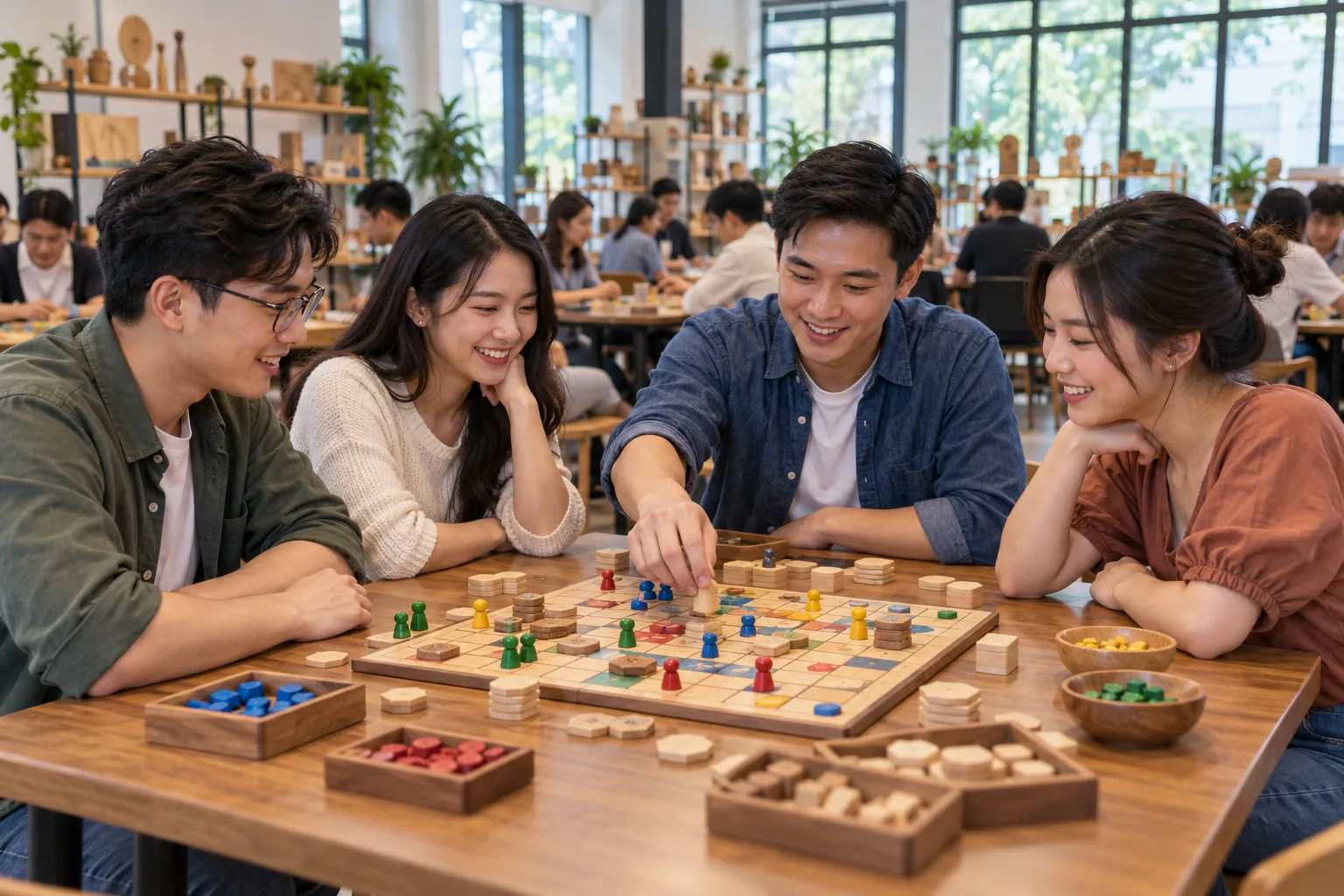
Consumer entertainment photography records a public experience for the promoter, with performers, visitors and sponsors each wanting something different from it. Start by naming who the record is for, which parts of the programme matter most and which people must not become promotional subjects. We turn that into a scoped coverage plan and confirm it in writing.
A public entertainment event is built around people having a good time. The photographs have to show that honestly, and they also have to serve a promoter's needs: reports, sponsor evidence, social posts and next year's planning.
This page is the starting point for promoters, producers, shopping-centre teams and publicists. It sits beside our guides for concert and live-music photography, performing and visual-arts events and exhibitor and brand-activation photography, which cover neighbouring work.
Who usually commissions this kind of photography?
Several kinds of organisations ask us, and each has a different picture in mind. A consumer-event promoter wants a record of the experience for reports and the next sale of tickets or booths. An entertainment producer wants guests, talent and key moments. A shopping-centre team wants activity across floors. A fan-convention organiser wants stage, floor and community. A publicist wants approved images of named people. A nightlife venue wants a guest record that suits its brand.
We ask early who commissions the work and who approves images, because those are not always the same person.
Whose purposes does the record serve?
Four purposes meet at a public event, and they pull in different directions.
| Purpose | What it wants | What can go wrong |
|---|---|---|
| Promoter | Atmosphere, scale, programme highlights | Crowd shots that overstate numbers |
| Performer or guest | Flattering, accurate images of themselves | Unapproved images released |
| Visitor | A pleasant day, privacy if they wish | Being used as a promotional subject |
| Sponsor | Visible, honest placement | Evidence that does not match what happened |
Naming these in the brief lets the crew make sensible choices. Our guide to photography for documentation, memories or promotion helps separate them.
Which public-event situations do our guides cover?
The guides below follow the situations that change the plan.
- Large, dispersed events. Consumer festivals with several activity zones, funfairs and carnivals, food and beverage festivals and special night markets.
- Guests and publicity. Film premieres, organised photo calls, film-festival receptions and entertainment award events.
- Fan communities. Creator meetups, pop-culture conventions, cosplay contests and gaming fan experiences.
- Competitions and productions. Talent competitions, pageants and live television audience events.
If your event mixes several of these, read the guide closest to the part that worries you most.
Why not every attendee is a promotional subject
A ticket or a free entry does not make a visitor a model. Many people come to enjoy themselves, and some have good reasons to avoid being photographed. Children, families and people attending alone may all feel differently.
A fair plan tells visitors that photography is happening, gives a simple way to opt out and focuses on atmosphere, activity and the people who have agreed to be featured. Our guide to event signage and individual photography preferences shows how to communicate this, and permission to photograph and permission to publish explains why the two are different.
What does the commission include, and what does it leave out?
An entertainment-event commission records what happens: arrivals, key programme moments, activity zones, visitors enjoying themselves and the sponsors' visible presence. It follows the day as it runs.
It does not automatically include individual portraits for every ticket holder, styled product shoots or video. Those can be valuable, but they are different jobs. Ask us whether they can be added or planned separately for your date. Our guide to roaming photography or a fixed photo area explains one common choice.
What decisions shape the coverage?
Five decisions do most of the work.
- The programme. What happens, where and when, and which moments cannot be moved.
- The people. Who must be photographed, and who must not be.
- The zones. Which areas matter most when the crew cannot be everywhere.
- The outputs. Social posts, press images, sponsor evidence or an archive.
- The approvals. Who signs off, how quickly, and who may release first selections.
The event photography brief builder helps you write these down, and the concurrent activity and crew planner shows where several things happen at once.
Coverage hours and crew for a dispersed event
Public events often run for many hours, with the busiest period in the middle. Photographing the whole of it at equal intensity is rarely sensible. A better plan puts the crew where the programme and visitors are densest and uses quieter hours for details.
Our guide to choosing when photographic coverage should start and finish explains the logic. If two stages or zones run together, what an additional event photographer changes shows what a second person adds.
Release timing and approvals
Promoters often want images quickly while the event is still trending. Performers and publicists may want to see images first. Both are reasonable, and they need a written order of release.
Name one person who gives final approval, and say which images may go out without review. Our guide to image approval across marketing, agencies and leadership sets out a workable order, and what changes when you request rapid photo delivery explains the trade-offs.
What drives cost?
Cost follows crew size, hours, the number of zones, the speed of delivery and the outputs you choose. Your written quotation sets out the price for your brief and what applies to your event. For context before you enquire, see photography pricing and scope and how our booking works.
How we plan and confirm it
We read your brief and programme, ask what is missing and propose coverage. We confirm the date, venue, crew assigned, deliverables, release arrangements and quotation in writing before the booking is final.
Questions to answer before you enquire
- Who is the record for, and who approves images?
- Which guests, performers or moments must be covered?
- How will visitors know photography is taking place?
- Which zones or stages matter most?
- Is there a release time, and who receives images first?
- Who is the contact on the day if the programme changes?
If you can answer most of these, we can propose coverage that matches how your event will run.
Checklist
- Write the public programme with times, zones and stages.
- Name who the record is for: promoter, performers, sponsors or visitors.
- List the guests, performers and moments that must be photographed.
- Decide how visitors learn that photography is taking place.
- Agree who approves images and the release time.
- Ask the venue about access, positions and equipment.
Send us the public programme, the zones or stages, your expected outputs and who approves images, and we will propose coverage and confirm the details in writing.
Get a quote for your public eventExplore: Consumer and fan events
30 pages- Festival photography for stages, stalls and play areas
- Film premieres and red-carpet events
- Photo calls with several publicists
- Creator meetups and fan gatherings
- Pop-culture and fandom conventions
- Cosplay contest photography
- Gaming event fan photos
- Talent show photography for producers
- Pageant photography for every contestant
- TV studio audience event photos
- Film festival receptions and guest photos
- Entertainment award show photography
- Funfair and carnival photography
- Food and drink festival photography
- Night market event photography
- Mall weekend event photography
- Pet show and animal event photography
- Car meet photography
- Collector and hobby fairs
- Photographing roaming performers in the crowd
- Mascot photos: part of the event or separate?
- Nightclub and party photography
- VIP area photos at public events
- Official event photos or fan photos: what's the difference?
- Light show and installation photography
- Immersive experience photography
- Family hours and late-night event photos
- Can you promise every ticket holder a photo?
- Attraction photos before opening day
- Event photos with several stage producers
Common questions
What should we send to start a brief for a public event?
Send the programme with times, a venue or site plan, the zones that matter, the names of guests or performers who must be photographed and the outputs you need. Add who approves images. A rough plan is enough to begin, and we ask for what is missing before we propose coverage.
Can every visitor be photographed?
Not every visitor will appear in the record. A public event holds more people than any crew can photograph, and some visitors prefer not to appear. We aim for a fair, truthful record of the experience and agree in advance how people can opt out.
Do photographs need to be ready during the event?
Some promoters want a first selection for social channels while doors are still open. Ask us whether that can be arranged for your date. It depends on crew, approvals and the number of images, and we confirm any arrangement and its limits in writing.
Do you also cover the music or stage performance?
Concerts and live-music shows have their own planning needs, covered in our concert and live-music pages. If a stage act is part of your consumer event, tell us how important it is, and we discuss whether it sits inside this commission or needs separate planning.
How early should we contact you?
As soon as the date and venue are fixed. Early contact lets us read the programme, ask about access and plan crew. Late changes can still be discussed, but we confirm what is possible for your date.
Get a quote for your public event
Send us the public programme, the zones or stages, your expected outputs and who approves images, and we will propose coverage and confirm the details in writing.
What happens next: You send your event details on WhatsApp. Our team reads the brief, asks what is missing, then confirms in writing whether the date, venue and coverage can be booked, with a quotation. Opening WhatsApp does not send anything, and a message is not a booking until both sides confirm.
Last reviewed: